Loading...
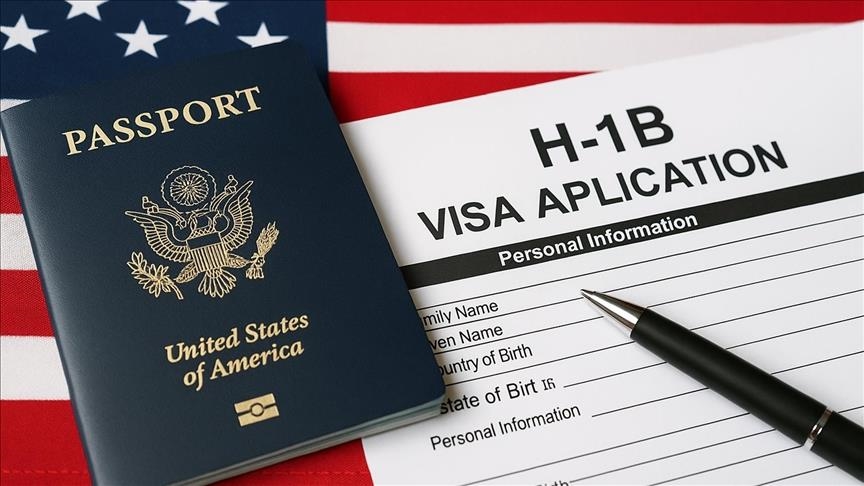
The H-1B is the most widely used U.S. work visa for specialty occupations — roles that require theoretical and practical application of a body of highly specialized knowledge, typically paired with a bachelor's degree or higher in a specific field.
The H-1B is a non-immigrant work visa that allows U.S. employers to hire foreign professionals in specialty occupations — positions that require specialized theoretical or technical expertise and at least a bachelor's degree (or its equivalent) in a directly related field. Software engineers, architects, physicians, financial analysts, scientists, and other technical professionals rely on H-1B status to work in the United States.
H-1B status is employer-sponsored and subject to an annual numerical cap, with a separate allocation for applicants holding U.S. master's degrees or higher. It allows dual intent — meaning a worker may pursue U.S. permanent residency without jeopardizing their H-1B — and can be extended up to six years, with further extensions possible when a green card process is underway.
"The H-1B rewards preparation. The difference between a clean approval and a burdensome RFE almost always comes down to how the petition was built."
H-1B planning revolves around three core questions: is the role a specialty occupation, is it cap-subject, and how is the petition best positioned within the system.
A role that requires theoretical and practical application of a body of specialized knowledge — where a bachelor's degree (or higher) in a specific field is the normal minimum for entry.
The main H-1B category, capped at 65,000 regular numbers plus 20,000 reserved for U.S. master's-degree holders. Most applicants must first be selected in the annual H-1B registration.
For applicants sponsored by qualifying higher-education institutions, affiliated nonprofits, or certain research organizations. Not subject to the annual cap and can be filed at any time of year.
To qualify as a specialty occupation, at least one of the first four regulatory standards must be met — alongside a compliant employer, a compliant wage, and a qualifying applicant.
A U.S. bachelor's degree or higher (or its equivalent) in a specific specialty is the normal minimum requirement for the position.
The degree requirement is common to the industry in parallel positions among similar organizations, or the role is so complex that it can only be performed by a degreed professional.
The employer normally requires a degree in the specific specialty — or its equivalent — for the position, supported by a documented hiring history.
The nature of the specific duties is so specialized and complex that the knowledge required to perform them is usually associated with a specialty degree.
The worker must hold a U.S. bachelor's in the specialty, a foreign equivalent, an unrestricted state license, or an equivalent combination of education and experience.
A bona fide employer–employee relationship, including the right to hire, pay, supervise, and terminate the worker throughout the petition period.
A certified LCA confirming the employer will pay the higher of the prevailing wage or the actual wage, and that working conditions meet U.S. standards.
Selection in the annual H-1B registration lottery, or a qualifying cap-exempt employer relationship that removes the need for a cap number.
From registration strategy to submission, every H-1B case we support follows the same structured, rigorous framework.
Start Your CaseWe review the role, the employer, and the applicant's credentials against the H-1B specialty-occupation framework — then map the cleanest registration and filing strategy.
We organize diplomas, transcripts, credential evaluations, job descriptions, and wage data — mapping each piece to the LCA and the specialty-occupation requirements.
We help prepare the LCA, draft the support letter, structure the supporting exhibits, and ensure the petition tells a clear, compliant story of why the role is a specialty occupation.
We coordinate filing, track case status, and support you through any requests for additional evidence — including extensions, amendments, and transitions toward permanent residency.
Every immigration case has parts we handle directly and parts that require a licensed attorney. Here's how we draw the line — so you always know who's accountable.
We can introduce you to a vetted attorney in our network when needed.
Book a 30-minute consultation. We'll review your situation, confirm whether this pathway fits, and outline a structured plan with documents you'll need.
Book ConsultationEach case depends on individual facts, government review, and applicable law. Outcomes are not guaranteed. Amerieagle Ventures provides immigration support and document preparation — legal services are performed only by or through licensed attorneys.
Ready to explore your H-1B options? Our team provides structured guidance and clear next steps — reach out and we'll respond within 48 hours.
Define your goals and identify areas where we can add value to your case.