Loading...
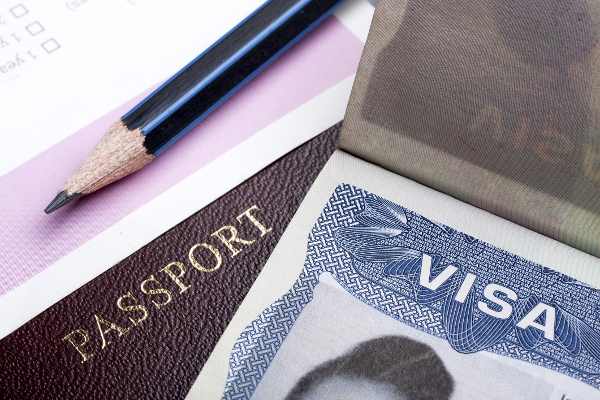
For students, trainees, and exchange visitors pursuing education and professional growth in the United States. We help applicants select the right category, prepare a strong visa file, and move confidently from acceptance to arrival.
U.S. student pathways are the nonimmigrant visa categories that allow foreign nationals to study and train in the United States. The three primary routes are F-1 (academic study), M-1 (vocational or non-academic study), and J-1 (exchange visitor programs) — each designed for a different kind of educational experience.
Every student case begins with an acceptance from a U.S. institution certified by the Student and Exchange Visitor Program (SEVP) or a designated J-1 sponsor organization. The school or sponsor issues a Form I-20 or DS-2019, which then supports the visa application at a U.S. consulate. Students can also unlock practical training opportunities — including CPT, OPT, and STEM OPT extensions — that let them gain real-world experience during and after their studies.
"A strong student visa case reflects a clear purpose of study, the means to complete it, and the intent to return home — present these well and the rest follows."
Choosing the right student category depends on the type of program, the sponsoring institution, and the applicant's long-term goals.
For students enrolled in academic programs at U.S. colleges, universities, high schools, private elementary schools, or English-language programs certified by SEVP.
For students pursuing vocational or other non-academic programs — such as trade schools, technical programs, aviation training, or culinary institutes.
For participants in approved exchange programs — including university students, research scholars, interns, trainees, au pairs, teachers, physicians, and camp counselors.
Student visa cases rest on three pillars: acceptance, financial capability, and nonimmigrant intent. Here is what every strong student file should include.
An acceptance letter and Form I-20 (F/M) or DS-2019 (J) from a SEVP-certified school or designated exchange sponsor.
Payment of the I-901 SEVIS fee prior to visa application, with receipt retained for the interview.
Evidence of funds to cover tuition, living expenses, and travel for the duration of the program — bank statements, scholarships, or sponsor affidavits.
Transcripts, diplomas, and standardized test scores (TOEFL, IELTS, SAT, GRE, GMAT) as required by the program.
Evidence of nonimmigrant intent — family, employment, property, or other ties that support returning home after studies.
A passport valid at least six months beyond the intended stay and a visa-compliant photograph.
Completed Form DS-160 online nonimmigrant visa application and payment of the consular visa fee.
Preparation for the visa interview — a clear, honest explanation of study plans, program choice, financials, and future goals.
From strategy to submission, every student case we support follows the same structured, rigorous framework.
Start Your CaseWe review your academic background, the type of program, and your long-term goals — then recommend the strongest pathway: F-1, M-1, or J-1.
We build a complete checklist: I-20 or DS-2019, transcripts, test scores, financial documentation, SEVIS receipt, and supporting statements.
We help complete Form DS-160, organize the interview file, and prepare you for the consular interview so you can present your case with confidence.
We coordinate the interview, support you through issuance, and guide you on arrival logistics, maintaining status, and future steps like OPT or change of status.
Every immigration case has parts we handle directly and parts that require a licensed attorney. Here's how we draw the line — so you always know who's accountable.
We can introduce you to a vetted attorney in our network when needed.
Book a 30-minute consultation. We'll review your situation, confirm whether this pathway fits, and outline a structured plan with documents you'll need.
Book ConsultationEach case depends on individual facts, government review, and applicable law. Outcomes are not guaranteed. Amerieagle Ventures provides immigration support and document preparation — legal services are performed only by or through licensed attorneys.
Ready to explore your student visa options? Our team provides structured guidance and clear next steps — reach out and we'll respond within 48 hours.
Define your goals and identify areas where we can add value to your case.